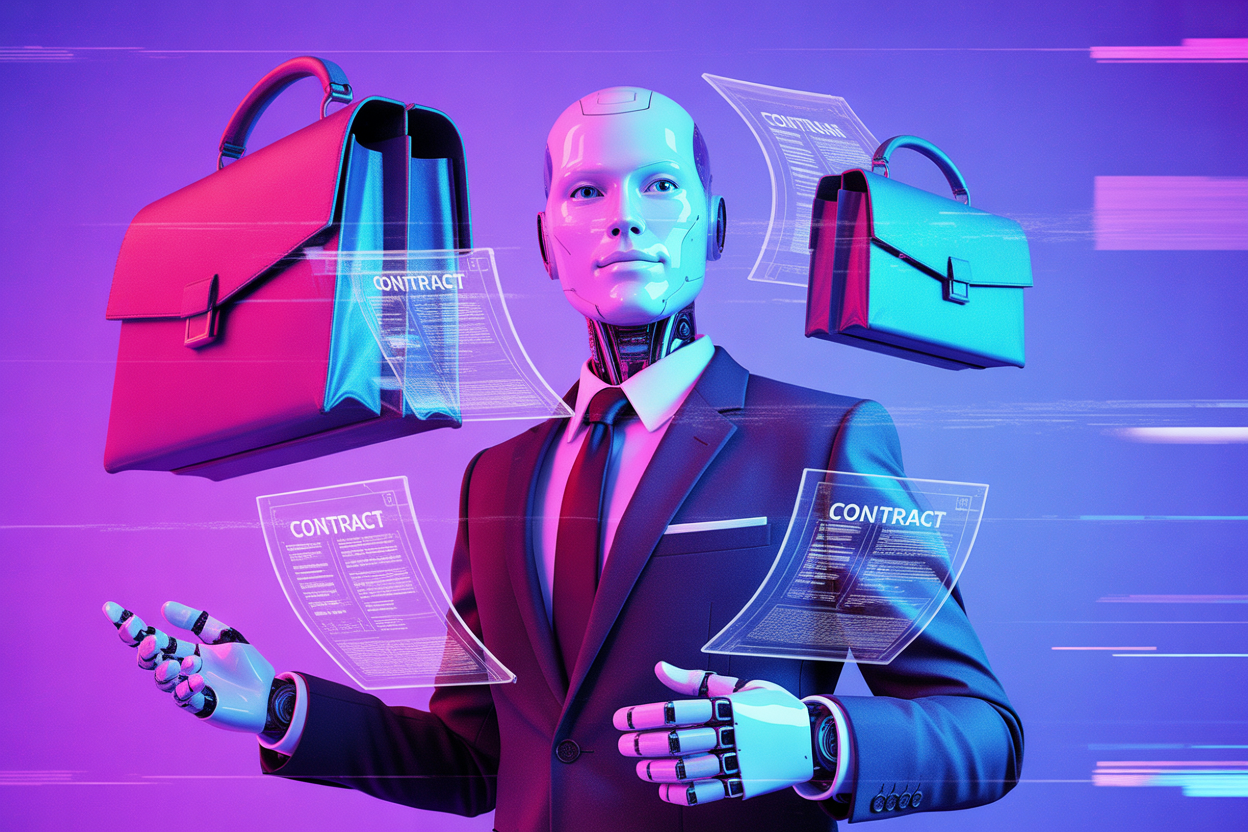
AI drastically reshapes white collar jobs by automating repetitive tasks and enabling workers to focus on higher-value creativity and problem-solving. So, you see a mix of job displacement and role evolution, with some entry-level positions vanishing and new, sophisticated roles emerging.
This shift matters because white collar sectors like finance, law, human resources, technology, and healthcare rely heavily on routine cognitive work that AI can handle more efficiently. Entrepreneurs and AI enthusiasts must grasp these changes to adapt strategies, workforce plans, and opportunities in the evolving landscape.
How will AI cause job displacement and transformation in white collar roles?
AI automates routine tasks, leading to fewer entry-level roles but transforming existing jobs. AI eliminates repetitive work in finance, law, and HR, causing a reported 25% drop in new graduate hires at major tech companies. These roles often involve data entry, basic analysis, or document review.
- AI replaces manual cognitive tasks with faster, error-free processing.
- Entry-level white collar jobs decline as companies prefer automation.
- Mid and senior roles evolve to focus on complex decision-making and AI oversight.
This displacement shifts hiring needs, pushing workers to learn new skills beyond routine tasks. If you’re an entrepreneur, you’ll notice talent landscapes change sharply as AI filters out basic roles but demands creative, strategic thinkers.
How does AI increase productivity and evolve white collar jobs?
AI boosts productivity by handling repetitive tasks and empowering workers to focus on creativity and problem-solving. Surveys show 70% of white collar workers report higher creativity and productivity thanks to AI assistants.
- AI automates data sorting, scheduling, report generation.
- Workers spend more time on strategic projects, innovation, and client interactions.
- New roles emerge for AI system monitoring, training, and integration.
You get a productivity multiplier effect—AI does the grunt work, humans lead the creative and relational parts. This shift turns the traditional office job upside down but offers entrepreneurs a way to build smarter teams.
What impact does AI have specifically on technology and finance sectors?
AI takes the lead in data analysis, risk assessment, and customer service in tech and finance, sparking job security fears. Younger workers especially worry about AI replacing routine analytical roles.
- AI crunches vast data sets faster than any analyst.
- Automated customer service chatbots reduce call center jobs.
- Risk models adjust in real-time using AI insights.
Yet, AI also creates opportunities for tech-savvy workers skilled in AI tooling, programming, and ethical AI governance. Entrepreneurs can leverage AI to cut costs but must balance worker concerns and reskilling investments.
How is AI impacting jobs in healthcare?
AI supports diagnostics, administrative efficiency, and patient management without cutting jobs. Instead, healthcare professionals gain more time for patient care and complex decisions.
- AI processes medical images and test results rapidly.
- Routine paperwork and appointment scheduling get automated.
- Doctors and nurses focus on direct patient interaction.
If you’re in healthcare, AI is a tool to enhance capability, not a threat to jobs. This sector highlights AI’s potential for augmenting rather than replacing human expertise.
How do worker perceptions and generational differences shape AI’s role?
Younger workers (Gen Z) show more concern about AI displacing jobs but respond by aggressively upskilling. Older generations tend to be less worried and more cautious.
- Gen Z invests in AI, data literacy, and digital skills.
- Many workers recognize lifelong learning as essential, with 65% acknowledging the need for upskilling and over half actively pursuing it.
- Worker optimism varies based on industry, role, and education levels.
Understanding this divide helps entrepreneurs tailor training programs and communication to motivate all employees to adapt.
What are the optimistic and cautious outlooks on AI’s future in white collar jobs?
Optimists believe AI will create new job categories and enhance human roles through collaboration. Experts argue that AI-human teams will outperform either working alone.
- New roles like AI trainers, ethicists, and explainability officers will emerge.
- Enhanced jobs include strategy, creativity, and interpersonal client work.
Cautious voices warn that AI advances may outpace society’s ability to adapt, risking significant job losses, especially at entry-level. They stress the need for policies and education to manage this risk.
- Rapid automation threatens low-skill jobs faster than retraining can keep up.
- Disparities might widen if access to upskilling is unequal.
You need to balance awareness of risks with proactive skill building and human-focused AI integration.
AI shakes up white collar jobs in massive ways—from wiping out routine roles to opening exciting new paths that demand creativity and constant learning. If you’re an entrepreneur or AI enthusiast, your move is simple: embrace upskilling, redesign workflows, and foster human-AI collaboration. How will you prepare your workforce for this AI-driven future? Share your thoughts below and explore more on AI workforce transformation in our related posts.
For further reading, check out McKinsey's 2025 report on AI job transformation and World Economic Forum's analysis on AI workforce readiness.